

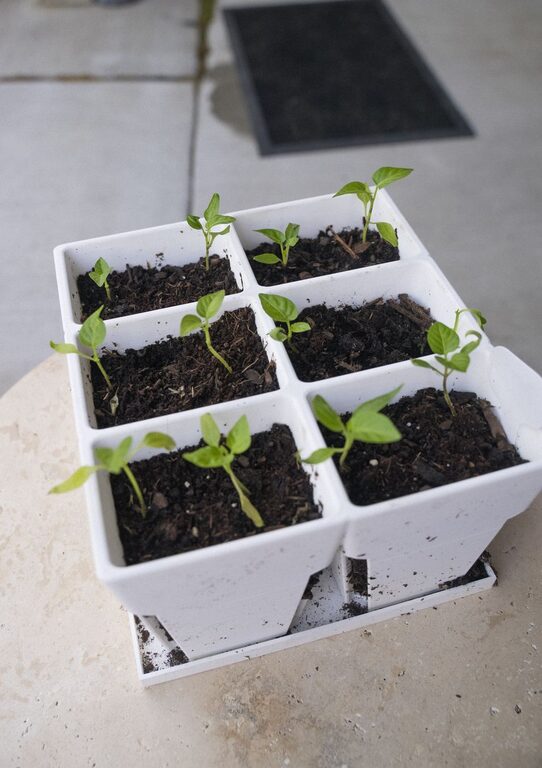
Starting an indoor herb garden is a rewarding and practical way to have fresh, flavorful herbs at your fingertips throughout the year. Whether you have a spacious kitchen or a cozy apartment, growing herbs indoors can be simple and enjoyable. This guide will walk you through the basics of setting up your small herb garden and caring for your plants to ensure a thriving green space inside your home.
Why Grow Herbs Indoors?
Indoor herb gardens offer several advantages:
– Fresh herbs available anytime for cooking
– Saves money compared to buying fresh herbs frequently
– Adds a touch of greenery and life to your living space
– Great hobby that can be relaxing and educational
Because herbs are generally compact and easy to manage, they are ideal candidates for container gardening indoors.
Choosing the Right Herbs for Indoor Gardens
Not all herbs thrive equally indoors, so it’s good to start with varieties known for indoor success. Some beginner-friendly herbs include:
– Basil: Needs plenty of sunlight and warmth; great for cooking.
– Mint: Hardy and grows quickly; prefers slightly shaded areas.
– Parsley: Tolerant of lower light; requires consistent moisture.
– Chives: Easy to grow; likes sunny spots.
– Thyme: Prefers bright light and well-draining soil.
– Oregano: Thrives in sunny locations and dry soil conditions.
Select herbs based on your cooking preferences and the conditions available in your home.
Selecting Containers and Soil
Containers
Choose pots with drainage holes to prevent waterlogging. Options include:
– Terracotta pots (breathable and attractive)
– Plastic pots (lightweight and affordable)
– Recycled containers with added drainage
You can also use seed trays or small planters if space is limited.
Soil
Use a high-quality potting mix specifically designed for indoor plants or herbs. Avoid garden soil, which can be heavy and retain too much moisture indoors. A well-draining, light soil mix helps prevent root rot.
Finding the Best Location for Your Garden
Most herbs need ample light to flourish. Ideally, place your herb garden:
– On a south-facing windowsill or any spot with 6-8 hours of natural sunlight daily
– Near grow lights if natural light is limited; LED grow lights are energy-efficient and effective for herbs
If sunlight is a challenge, consider low-light tolerant herbs like mint and parsley, and supplement with artificial lighting.
Planting Your Herb Garden
Starting from Seeds
– Sow seeds according to packet instructions.
– Keep the soil moist but not soaking wet.
– Provide warmth and light to encourage germination.
Transplanting Seedlings or Starter Plants
– Choose healthy seedlings from a nursery.
– Plant them carefully into your containers with fresh potting mix.
– Space plants according to their mature size to avoid overcrowding.
Caring for Your Indoor Herb Garden
Watering
– Herbs generally prefer evenly moist soil but dislike standing water.
– Water when the top inch of soil feels dry.
– Be cautious not to overwater; good drainage is key.
Fertilizing
– Use a balanced, water-soluble fertilizer every 4-6 weeks during the growing season.
– Avoid over-fertilizing, which can reduce flavour concentration in herbs.
Pruning and Harvesting
– Regularly pinch back herbs to encourage bushier growth.
– Harvest leaves from the top to maintain plant shape and health.
– Remove any yellow or dead leaves promptly.
Troubleshooting Common Issues
– Leggy plants: Often caused by insufficient light; move plants closer to a light source.
– Yellowing leaves: Could indicate overwatering or poor drainage.
– Pests: Watch for aphids or spider mites; treat with insecticidal soap or wipe leaves with a damp cloth.
Tips for Success and Enjoyment
– Rotate your containers periodically to ensure even sunlight exposure.
– Keep a small spray bottle nearby for misting, especially in dry indoor air.
– Experiment with different herbs to find your favourites.
– Use your homegrown herbs in cooking, teas, or as garnishes for a fresh flavour boost.
Conclusion
Starting a small herb garden indoors is an accessible and enjoyable way to enhance your home and kitchen. With the right selection of herbs, containers, and care routines, you can grow a thriving mini garden anywhere, no matter the season. Enjoy the process and the fresh flavours that come with growing your own herbs!
Happy gardening!