

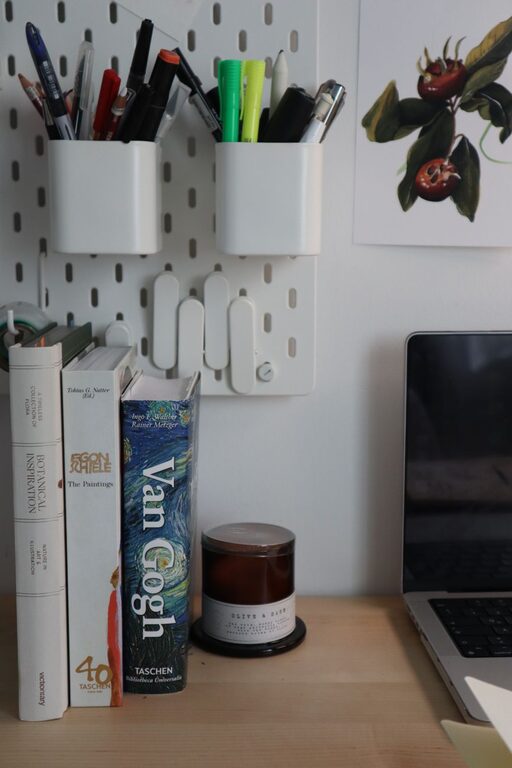
Managing paper clutter is a common challenge in many households. Bills, receipts, mail, school papers, and important documents can quickly pile up, leading to disorganization and stress. The good news is that reducing household paper clutter is possible with some straightforward strategies. This guide offers simple and practical tips to help you create a tidier, more manageable home environment.
Understanding Paper Clutter
Before tackling paper clutter, it helps to understand what contributes to it:
– Incoming Paper: Mail, newspapers, magazines, flyers, and school handouts regularly enter your home.
– Important Documents: Bills, tax papers, warranties, medical records, and legal documents often require careful storage.
– Temporary Papers: Receipts, notes, reminders, and to-do lists may only be needed briefly but accumulate quickly.
– Sentimental Items: Cards, photos, and keepsakes can also add to paper collections.
Recognizing these categories will help you decide what to keep, what to digitize, and what to discard.
Simple Steps to Reduce Paper Clutter
1. Set Up a Designated Paper Station
Having a specific area to handle all incoming paper can prevent piles from spreading throughout your home. This station can include:
– A mail sorter or inbox tray
– A recycling bin or shredder nearby
– Filing folders for urgent, to-be-filed, and action-required papers
Checking and processing this station daily or weekly keeps paper manageable.
2. Go Digital Whenever Possible
Reducing physical papers by transitioning to digital can save significant space and time.
– Opt for electronic bills and statements: Sign up for paperless billing with banks, utilities, and service providers.
– Scan important documents: Use a scanner or smartphone app to create digital copies of receipts, warranties, and medical records.
– Use note-taking apps: Replace paper notes and to-do lists with digital alternatives.
Always back up your digital documents on cloud storage or an external drive for security.
3. Sort and Purge Regularly
Schedule regular decluttering sessions to go through your paper collection.
– Sort papers into categories: Keep, shred, recycle, or digitize.
– Shred sensitive documents: Protect your privacy by shredding bills or statements with personal information.
– Recycle unnecessary papers: Magazines or outdated flyers can be recycled immediately.
Doing this monthly or seasonally prevents clutter build-up.
4. Create a Simple Filing System
Organized storage is key to managing essential papers.
– Use labelled folders or accordion files to separate categories such as bills, taxes, insurance, or warranties.
– Keep files in a dedicated drawer or box for easy access.
– For family households, consider colour-coding by person or category for clarity.
A simple, visible system encourages consistent filing.
5. Limit Incoming Paper
Reducing the amount of paper entering your home is an effective long-term solution.
– Unsubscribe from junk mail and promotional flyers.
– Ask to receive fewer catalogs or switch to email notifications.
– Discuss with your workplace or schools about paperless communication options.
Less incoming paper means less clutter to manage.
6. Use Paper Organizers and Storage Solutions
Practical storage tools help keep papers neat.
– Use desktop organizers for frequently used items such as bills or forms.
– Label storage boxes or bins for older documents that need to be kept but are not regularly accessed.
– Consider a filing cabinet if you have a large volume of paperwork.
Choose organizers that fit your available space and style preferences.
7. Encourage Family Participation
Paper management is easier when everyone in the household pitches in.
– Set clear expectations about where papers should go.
– Teach children to sort school papers and keep only important items.
– Share the responsibility of checking and processing mail or documents.
Working together keeps paper under control.
Benefits of Reducing Paper Clutter
Implementing these tips will help you:
– Create a cleaner and more inviting living space.
– Save time searching for important documents.
– Reduce stress and improve your sense of control.
– Protect sensitive information more effectively.
– Make it easier to maintain an organized home.
Final Thoughts
Reducing household paper clutter doesn’t have to be overwhelming. With a few simple habits and systems, you can take charge of your paper flow and enjoy a tidier, more organised home. Start small, stay consistent, and watch the difference unfold. Your home (and your mind) will thank you!